
Boosting Efficiency and Reducing Risk in Construction Tenders with AI
How AI-powered tender analysis dramatically accelerates construction bids, protects margins and surfaces risks early.

In construction, tenders are a central part of awarding building contracts. Manually reviewing tender documents, contracts and specifications is a massive time sink and carries significant risk. This article explains how modern technologies — particularly Artificial Intelligence (AI) — can not only dramatically speed up construction tender analysis, but also protect margins and surface risks early.
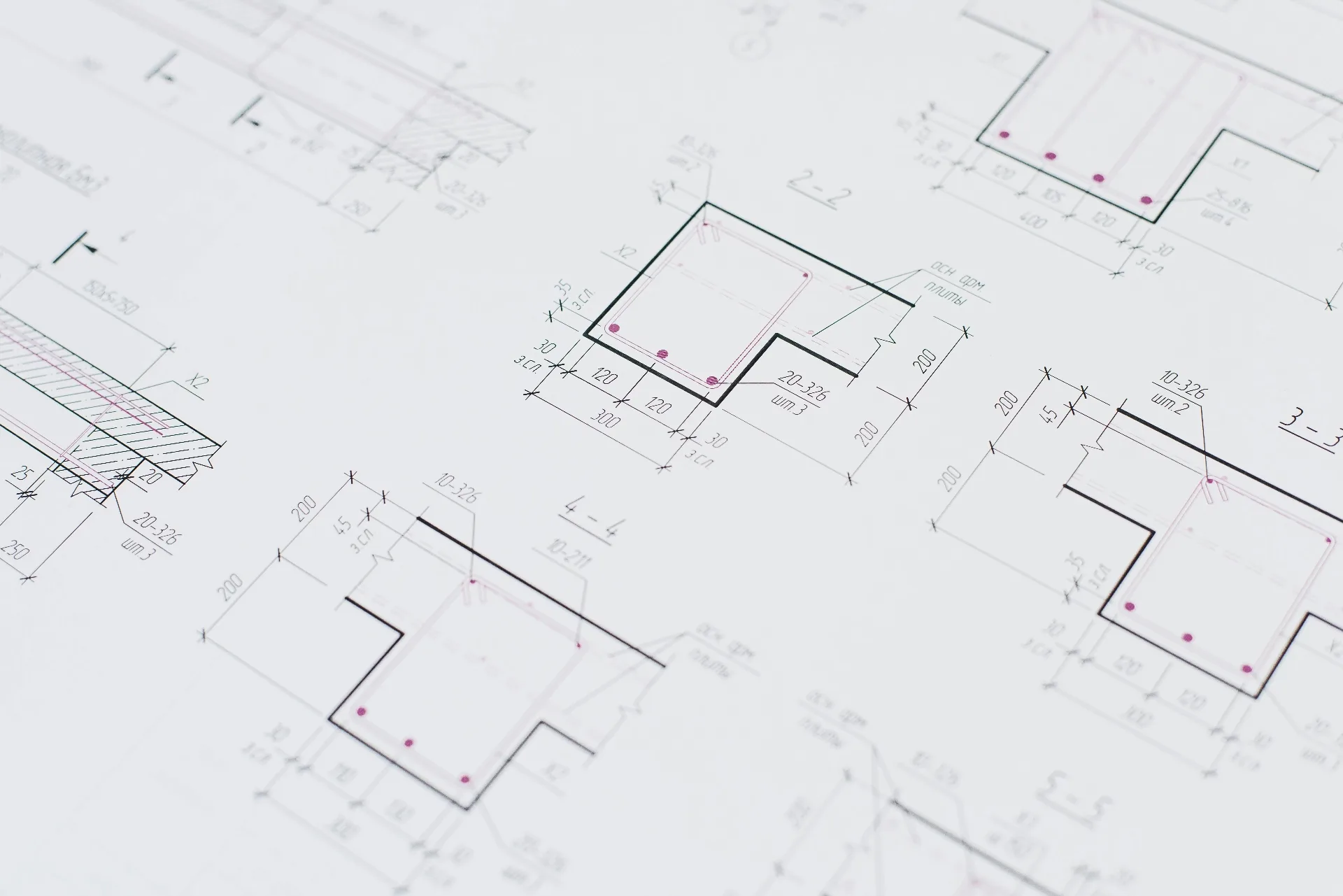
The complexity of construction tenders
Construction tenders have specific, highly demanding characteristics:
- Extensive documentation: Bills of quantities (BoQs), drawings, contracts and reports often span hundreds of pages of unstructured documents that must be analysed in detail.
- Hidden risks: Construction tenders contain complex legal requirements (such as pay-when-paid clauses or extended warranty obligations) and technical contradictions.
- Tight deadlines: Submission windows are usually extremely short, putting the review process under enormous pressure.
- High competitive intensity: To win the contract, bids must be not only fast, but absolutely error-free, competitive and profitably calculated.
Challenges of traditional processing
The classic way of handling tenders massively slows down estimating teams:
- Time sink: Specialists spend hours or even days manually reviewing unstructured documents.
- High financial risk: Costly mistakes from missed contract clauses and incomplete project information cause construction firms millions in annual rework.
- Missed opportunities: Limited staff capacity often forces teams to decline genuinely profitable bid invitations.
The AI-powered solution for clear decisions: Tenderhub
Tenderhub, the AI solution from revitalyze, offers an innovative way to turn document chaos into clarity:
- Contract & BoQ analysis in seconds: The AI checks extremely long tender documents and reports for completeness within minutes, spots unclear specifications and identifies missing information.
- Detect risks and variation potential: Tenderhub makes deviations, trade interfaces and hidden margins immediately visible. This allows variation claims to be identified early.
- Automated workflows with Action Agents: Unlike pure search tools, Tenderhub's AI agents perform real work — from creating component, door and window schedules to automated item matching and generating GAEB and Excel files.
Benefits of AI-powered tender analysis
Implementing Tenderhub in your estimating process delivers measurable benefits:
- Massive time savings: Companies reduce document-analysis effort by an average of 80 %. This not only saves cost, but enables more projects to be bid on.
- Protected margins: By spotting legal and technical contradictions early, you can bid with absolute confidence and avoid expensive surprises.
- Sound bid/no-bid decisions: A dashboard shows immediately whether a tender is feasible and profitable for your business.
- Focus on value creation: Your team is freed from tedious document hunting and can focus on strategic bid optimisation.
Best practices for implementing AI tools in the estimating process
To get the most out of AI-powered tender analysis, the following steps have proven effective:
- Define individual criteria: Use custom checklists. Tell the AI which specific risks, materials or clauses to pay particular attention to in your trade.
- Phased rollout: Upload documents (PDF, DOCX, XLS) from a current, typical project so the team can get familiar with the features (e.g. the automated bid comparison).
- Combine AI and human expertise: Let the AI do the heavy lifting (data extraction, risk highlights) so your estimators can make the final decisions based on perfectly prepared data.
Case study: €71,000 variation successfully secured
A concrete example from electrical engineering / building automation (KNX) illustrates the enormous leverage of Tenderhub:
The estimating team was under enormous time pressure on a high-end project. The tender package contained 620 pages with an extremely short submission deadline. The risk of overlooking inconsistencies was huge.
Using Tenderhub, the entire document package was analysed in just 10 minutes — a process that would have taken several days manually. The result: the AI uncovered key contradictions in time. On a project worth €1.3 million, the company successfully secured a justified variation claim of €71,000.
Conclusion: The future of bid estimating
Efficient and legally sound handling of construction tenders is the key to sustainable growth in construction. General contractors, builders and subcontractors who use AI solutions like Tenderhub are not only transforming their project workflows — they are securing decisive competitive advantages.
Anyone who deploys innovative solutions to master unstructured document chaos protects their margins, noticeably relieves their staff and wins significantly more profitable tenders.